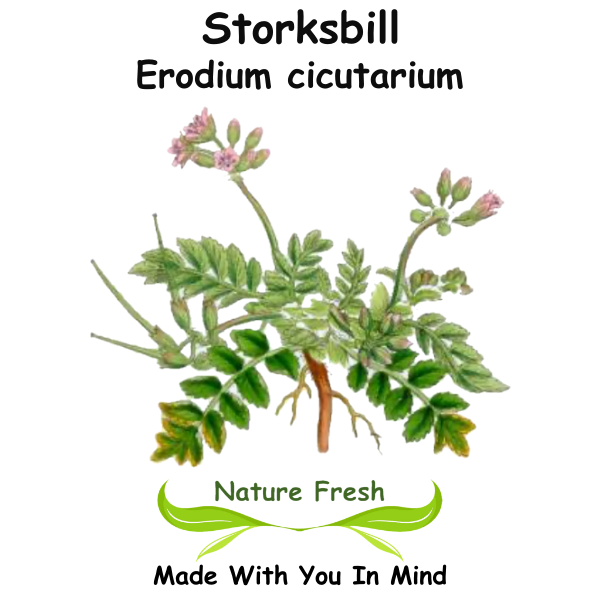
Storksbill
About this plant
Storksbill (Erodium cicutarium) is prized in traditional herbal medicine for its strong astringent and hemostatic properties, effectively toning tissues to control diarrhea, dysentery, uterine bleeding, and excessive mucus discharges while also acting as a mild diuretic and diaphoretic. Its leaves and aerial parts contain tannins, vitamin K, vitamin C, flavonoids, and phenolic compounds that contribute to demonstrated antibacterial, antifungal, antioxidant, and anti-inflammatory effects in lab studies, supporting wound healing, skin soothing, and minor pain relief when used topically or internally.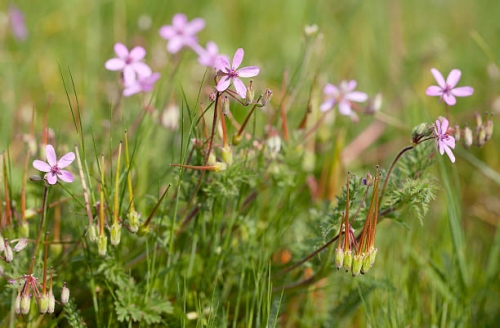
More Images

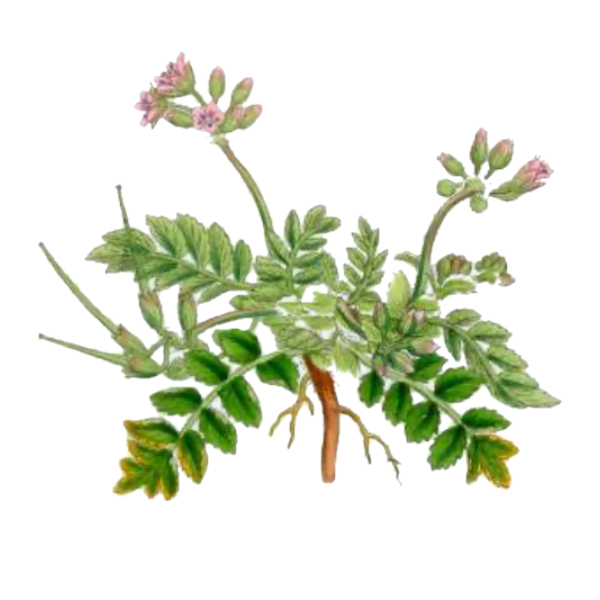
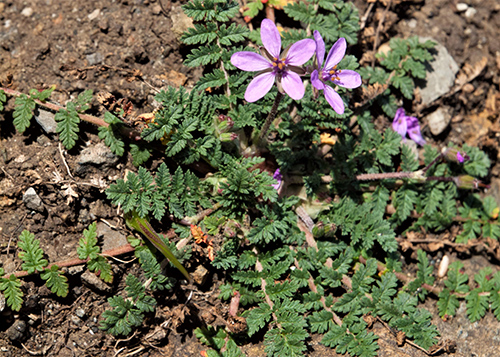
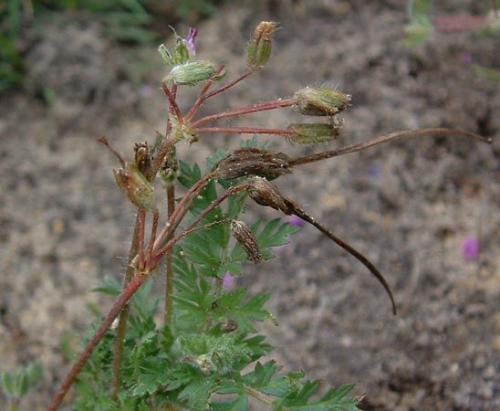
More information on this plant
Storksbill (Erodium cicutarium) is a traditional astringent and hemostatic herb used mainly to tone tissues and reduce bleeding. Folk and ethnobotanical records describe teas made from the aerial parts to help with abnormal uterine bleeding, diarrhea, and other forms of excessive discharge, as well as to support milk production in nursing mothers. Leaf infusions have also been used as mild diuretics and diaphoretics, supporting kidney function and gentle detoxification while helping the body manage fevers such as typhoid in traditional practice. Modern phytochemical reviews note that E. cicutarium contains vitamin K, vitamin C, essential oils, and phenolic compounds, which may underlie reported antibacterial, antioxidant, anti‑inflammatory, and analgesic effects, although clinical evidence in humans remains limited.
Topically, crushed leaves or poultices of the whole plant have been applied to cuts, animal bites, skin infections, rashes, and rheumatic or gouty areas, taking advantage of its astringent, antimicrobial, and soothing actions on inflamed tissue. Laboratory work on extracts has demonstrated antibacterial and antifungal activity against several pathogens, as well as antiviral effects in vitro, suggesting potential for broader immune support, though these uses are not yet standardized in modern medicine. Because the herb can affect uterine tone and blood properties, and may interact with medications, most medical herbaries advise using it cautiously and consulting a qualified practitioner—especially in pregnancy, when breastfeeding, or in people on anticoagulant or other long‑term drugs.
Sizes and Pricing
Comes with a cap. If you want a dropper, order one.
1 Ounce
Ideal for someone that is blending their own formulas..
2 Ounce
Provides enough tincture to last for a couple of months of daily use.
4 ounce
Works well for those with chronic conditions or to refill a smaller bottle..