Crampbark
About this plant
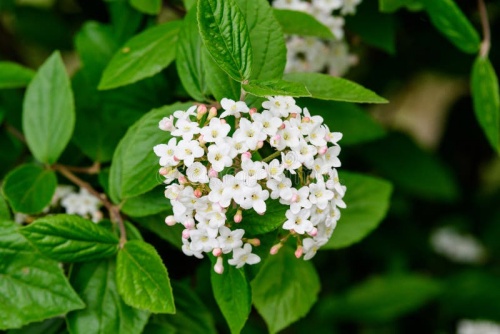
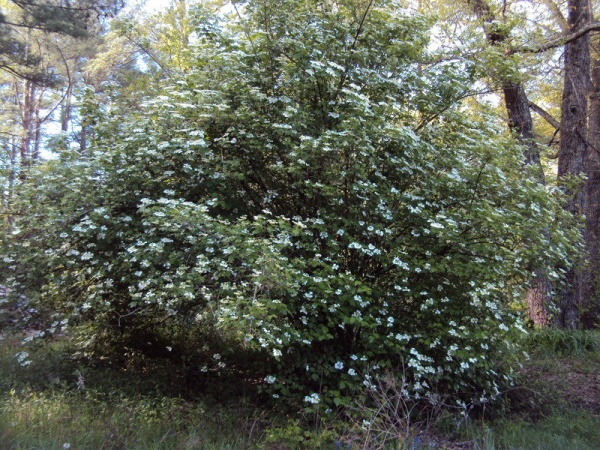
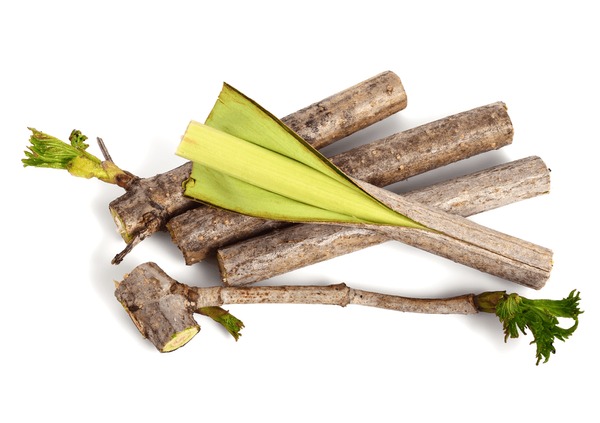
Cramp Bark (Viburnum opulus) is valued for its antispasmodic properties, effectively relieving muscle cramps, particularly menstrual cramps, and easing tension in the nervous system. Additionally, it supports cardiovascular health by lowering blood pressure, improving circulation, and reducing inflammation, making it a versatile herb in traditional medicine.
More Images
More information on this plant
Cramp bark (Viburnum opulus) is a well-known herb in traditional medicine, particularly valued for its ability to relieve muscle cramps and spasms. The bark contains active compounds such as viburnin and salicin, which have muscle relaxant and anti-inflammatory properties. These compounds make cramp bark especially effective in treating menstrual cramps, where it helps to ease uterine contractions and alleviate pain. It is also used to soothe muscle spasms related to conditions such as arthritis, leg cramps, and lower back pain. The relaxing effects of cramp bark extend to the nervous system, where it can help reduce tension and stress, promoting overall relaxation.
In addition to its antispasmodic properties, cramp bark is also known for its benefits in supporting cardiovascular health. The herb has been traditionally used to lower blood pressure and improve circulation, which may help in preventing conditions such as hypertension. Cramp bark is also a mild diuretic, assisting the body in eliminating excess fluids and reducing edema. Furthermore, its anti-inflammatory properties contribute to reducing inflammation in the body, making it useful in treating various inflammatory conditions. These combined medicinal properties make cramp bark a versatile and valuable herb in both traditional and modern herbal practices.
Sizes and Pricing
Comes with a cap. If you want a dropper, order one.
1 Ounce
Ideal for someone that is blending their own formulas..
2 Ounce
Provides enough tincture to last for a couple of months of daily use.
4 ounce
Works well for those with chronic conditions or to refill a smaller bottle..